
A Latte Options with These Best Flavored Latte Recipes
Why the Best Flavored Latte Recipes Belong in Your Home Kitchen
The best flavored latte recipes are easier to make at home than most people think — and far cheaper than a daily coffee shop run. Here are the top flavors to start with:
- Vanilla Bean Latte — classic, smooth, beginner-friendly
- Salted Caramel Latte — sweet with a trendy savory twist
- Mocha Latte — rich chocolate meets bold espresso
- Pumpkin Spice Latte — the ultimate fall crowd-pleaser
- Honey Lavender Latte — floral, calming, and café-worthy
- Peppermint Mocha — a holiday staple, year-round delicious
- Matcha Latte — earthy, creamy, and caffeine-flexible
- Hazelnut Latte — nutty, dessert-like, pairs with any season
- Cinnamon Dolce Latte — warm spice without the sugar overload
- Pistachio Latte — nutty, pretty, and surprisingly easy to make
A latte is simple at its core — espresso, steamed milk, and a little foam. But that creamy base is essentially a blank canvas. Add a drizzle, a dash of spice, or a homemade syrup, and you’ve got something genuinely special.
The good news? You don’t need a fancy espresso machine or barista training. A strong brew and a handheld milk frother are enough to get started.
Whether you’re craving something cozy and seasonal or a bold everyday flavor, this guide covers it all — recipes, techniques, and tips to make every cup better than the last.
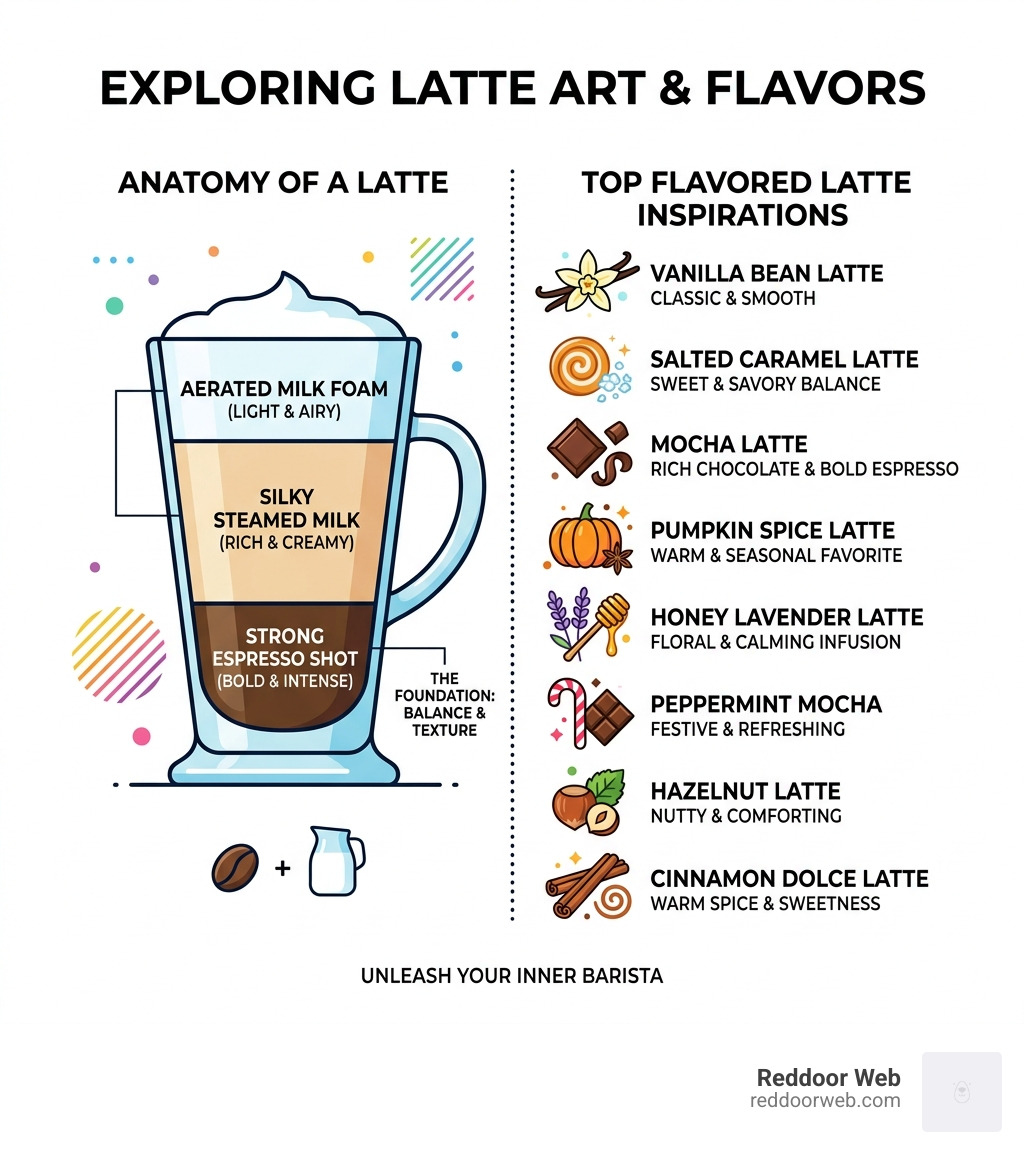
As we move through April 2026, the home barista movement has evolved from a hobby into a lifestyle. We’ve seen a massive shift in coffee trends this year, with enthusiasts moving away from overly sugary commercial syrups toward natural extracts, floral infusions, and global flavor profiles like ube and pandan. At Reddoor Web, we believe that understanding the “why” behind your brew is just as important as the “how.”
The Anatomy of a Perfect Latte
Before we dive into the best flavored latte recipes, we need to master the foundation. A latte is more than just “coffee with milk.” It is a specific architectural build designed to balance the intensity of coffee with the sweetness of dairy (or dairy alternatives).
The Espresso Base
The soul of a latte is a double shot of espresso (about 2 ounces or 60ml). Because we are adding a significant amount of milk, the coffee needs to be bold. If the coffee is too weak, the milk will drown out the flavor. If you don’t have an espresso machine, we recommend a “strong brew” method—using a Moka pot or a French press with a higher coffee-to-water ratio to mimic that espresso intensity.
Steamed Milk and Microfoam
The defining characteristic of a latte is the texture of the milk. Unlike a cappuccino, which has a thick “dry” foam, a latte uses “wet” microfoam. This is milk that has been aerated just enough to create tiny, invisible bubbles, resulting in a velvety, liquid-silk texture.
The Coffee-to-Milk Ratio
A standard latte usually follows a 1:3 or 1:4 ratio—one part espresso to three or four parts steamed milk, topped with a thin half-inch layer of foam. This ratio ensures that the caffeine provides the necessary kick while the milk provides a smooth finish. Speaking of kicks, Scientific research on caffeine and alertness shows that the way we consume caffeine—slowly through a milky latte versus a quick shot—can affect how sustained our energy levels feel throughout the morning.
Flat White vs. Latte
We often get asked the difference. A flat white is typically smaller (5-6 oz) with a higher proportion of coffee and almost no foam on top. A latte is larger (8-12 oz) and focuses more on that creamy, milky experience.
Best Flavored Latte Recipes for Every Season
Flavoring a latte is an art. You can integrate flavors through syrups, powders, or natural infusions. While syrups are the easiest to use because they dissolve instantly without grit, powders like cocoa or matcha offer a more “raw” and intense flavor profile.

Comparison: Syrup vs. Powder Flavoring
| Method | Best For | Pros | Cons |
|---|---|---|---|
| Syrups | Vanilla, Caramel, Lavender | Dissolves instantly; consistent flavor | Can be high in sugar; artificial aftertaste |
| Powders | Mocha, Matcha, Turmeric | Rich, authentic taste; “healthy” vibes | Can be gritty if not whisked properly |
| Natural Extracts | Vanilla, Almond, Peppermint | Clean ingredients; low calorie | Harder to balance; needs a sweetener |
Classic Best Flavored Latte Recipes
These are the “trusty friends” of the coffee world. They are the best flavored latte recipes for beginners because they rely on flavors that naturally complement the nutty, chocolatey notes of coffee.
- Vanilla Bean Latte: Avoid the clear bottled syrups if you can. Instead, use a drop of pure vanilla extract or even scrape a tiny bit of a vanilla bean into your milk before frothing. It adds a sophisticated depth that tastes like a high-end café drink.
- Salted Caramel Latte: This has become a social media sensation. The secret is adding a tiny pinch of sea salt to your caramel sauce. The salt cuts through the sweetness and enhances the roasted notes of the espresso.
- Rich Mocha: For a decadent treat, melt high-quality dark chocolate chips into your hot espresso before adding the milk. It results in a thicker, more luxurious drink than using chocolate syrup.
- Hazelnut Latte: This makes your coffee taste like dessert without the sugar overload. It pairs exceptionally well with oat milk, which has a natural nuttiness.
- Cinnamon Dolce Latte: “Dolce” means sweet in Italian. Combine brown sugar, cinnamon, and a splash of maple syrup to create a warm, comforting brew that feels like a hug in a mug.
Pro Tip on Storage: If you make homemade simple syrups (equal parts sugar and water), store them in an airtight glass jar in the fridge. They’ll stay fresh for up to two weeks!
Seasonal and Unique Best Flavored Latte Recipes
When you want to step outside the box, these recipes offer a “flavor journey” that changes with the calendar.
- Pumpkin Spice Latte (Fall): Skip the “orange chemicals.” Use real pumpkin purée, maple syrup, and pumpkin pie spice. Whisk the purée into the milk while heating to ensure a smooth texture.
- Honey Lavender (Spring): This is a whimsical, floral treat. You can make a lavender syrup by steeping dried culinary lavender buds in hot sugar water. It’s calming and pairs beautifully with an iced latte on a sunny April afternoon.
- Ceremonial Matcha: For a coffee-free alternative, whisk finely ground green tea powder into hot water before adding steamed milk. It provides a “zen” caffeine boost without the jitters.
- Peppermint Mocha (Winter): A holiday staple that shouldn’t be limited to December. The cooling peppermint combined with rich chocolate is the ultimate palate cleanser.
- Rose Beet Latte: This is one of the most visually stunning best flavored latte recipes. Use a teaspoon of beetroot powder for a vibrant pink color and a splash of rose water for a floral finish. It’s earthy, sweet, and packed with antioxidants.
- Pistachio Latte: Inspired by a fan-favorite, this uses pistachio butter or syrup to create a buttery, nutty profile that feels incredibly high-end.
- Toasted Marshmallow: If you have a kitchen torch, toast a marshmallow on top of your latte for a “campfire” vibe. Use a smoky vanilla syrup to complete the effect.
How to Make Professional Lattes at Home
We hear it all the time: “I don’t have a $1,000 espresso machine.” You don’t need one! You can achieve 99% of the quality with a few simple hacks.
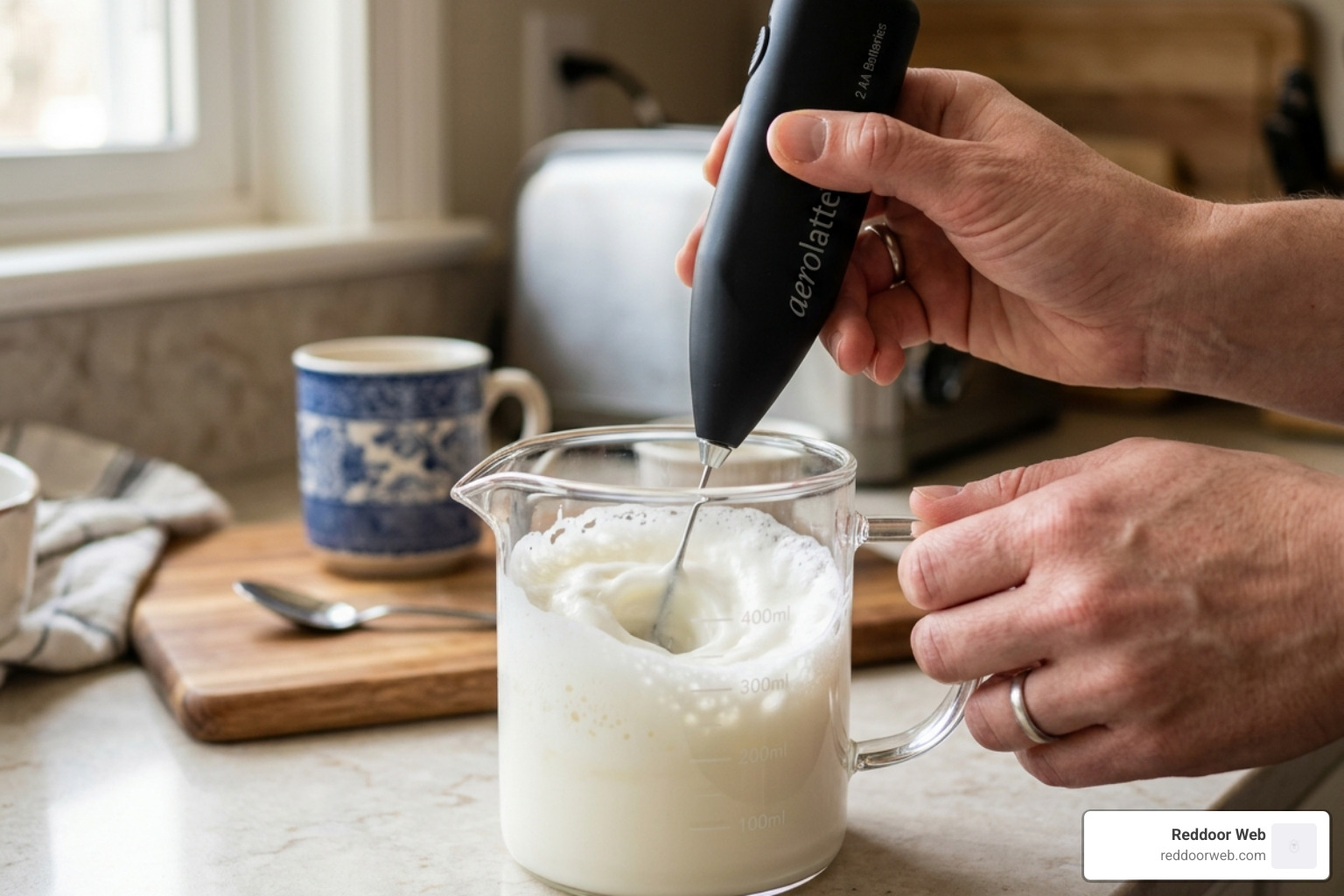
The “No-Machine” Setup
If you lack a steaming wand, you can still get incredible foam.
- The Mason Jar Hack: Pour milk into a jar, shake it vigorously for 30 seconds until it doubles in size, then microwave it (without the lid!) for 30 seconds. The heat stabilizes the bubbles, creating a decent foam.
- The French Press: Pump hot milk in a French press 10-15 times. This creates the densest, most professional-looking microfoam you can get without a steam wand.
- Handheld Frother: These battery-operated wands are a game changer for under $20.
Temperature Control
One of the most common mistakes is scorching the milk. Aim for 150°F to 155°F (65°C). If the milk gets too hot, it loses its natural sweetness and takes on a “cooked” flavor that ruins the delicate balance of the best flavored latte recipes.
Pouring Techniques
To get that professional look, hold back the foam with a spoon while you pour the liquid milk into the coffee. Once the cup is nearly full, scoop the remaining foam on top. If you’re feeling adventurous, try a “heart” or “tulip” by gently shaking the pitcher as you finish the pour.
Customizing Your Brew: Healthy and Dairy-Free Options
In 2026, the “best” latte is the one that makes you feel good. We’ve seen a massive rise in plant-based milks, each offering a unique flavor profile.
- Oat Milk: The gold standard for non-dairy lattes. It froths almost exactly like cow’s milk and has a creamy, neutral sweetness.
- Almond Milk: Great for low-calorie options, though it can be prone to “curdling” if the coffee is too acidic. Tip: Warm the almond milk before adding it to the coffee to prevent separation.
- Coconut Milk: Use the carton version for a light, tropical hint, or a splash of canned coconut milk for an ultra-decadent, thick latte.
Natural Sweeteners
If you’re looking to reduce refined sugar, maple syrup and honey are excellent alternatives. They provide more “character” than white sugar. Agave is another great option as it dissolves instantly in both hot and iced lattes.
When crafting the best flavored latte recipes, consider using spices like cardamom, ginger, or even a pinch of cayenne (for a Mexican Mocha) to add flavor without adding calories.
Frequently Asked Questions about Flavored Lattes
What is the difference between a latte and a mocha?
A latte is espresso and steamed milk. A mocha is essentially a latte with chocolate added (usually in the form of syrup or cocoa powder). Think of a mocha as a “coffee-flavored hot chocolate.”
What is the best milk for frothing at home?
Whole milk froths the best due to its fat and protein content. For dairy-free, oat milk (specifically “Barista Edition”) is the undisputed champion for creating stable microfoam.
Can I make a latte using regular drip coffee?
Technically, a latte requires espresso. However, you can make a “Café au Lait” by using very strong drip coffee and steamed milk. To get close to a latte taste, double the amount of coffee grounds you usually use for your drip brew.
Conclusion
At Reddoor Web, our mission is to empower you with the practical hacks needed to turn your kitchen into the best café in town. Experimenting with the best flavored latte recipes is a journey of trial and error—don’t be afraid to mix a little lavender into your mocha or put a pinch of salt in your vanilla brew.
The home barista community is all about sharing what works. Whether you’re using a top-of-the-line machine or a simple mason jar, the joy is in the process. For more brewing hacks and More info about coffee recipes, stay tuned to our latest guides. Now, go grab your favorite mug and start frothing!
