
Decaf Latte Recipe Simple Enough for Your Pre-Bedtime Routine
The Simple Decaf Latte That Won’t Keep You Up at Night
A decaf latte recipe simple enough to make in under 5 minutes is closer than you think — here’s the quick version:
- Brew 1–2 oz of strong decaf coffee or espresso
- Heat 8 oz of milk to around 65–70°C (150°F) — hot but not boiling
- Froth the milk using a handheld frother, whisk, or jar shake
- Pour the espresso into your mug, then slowly add the frothed milk
- Top with foam and an optional drizzle of caramel or sprinkle of cinnamon
That’s genuinely it.
A lot of coffee lovers hit a wall around 7pm. You want the ritual — the warmth, the creaminess, the comforting smell of coffee — but not the wide-eyed 2am ceiling-staring that comes with it.
Decaf gives you that ritual back.
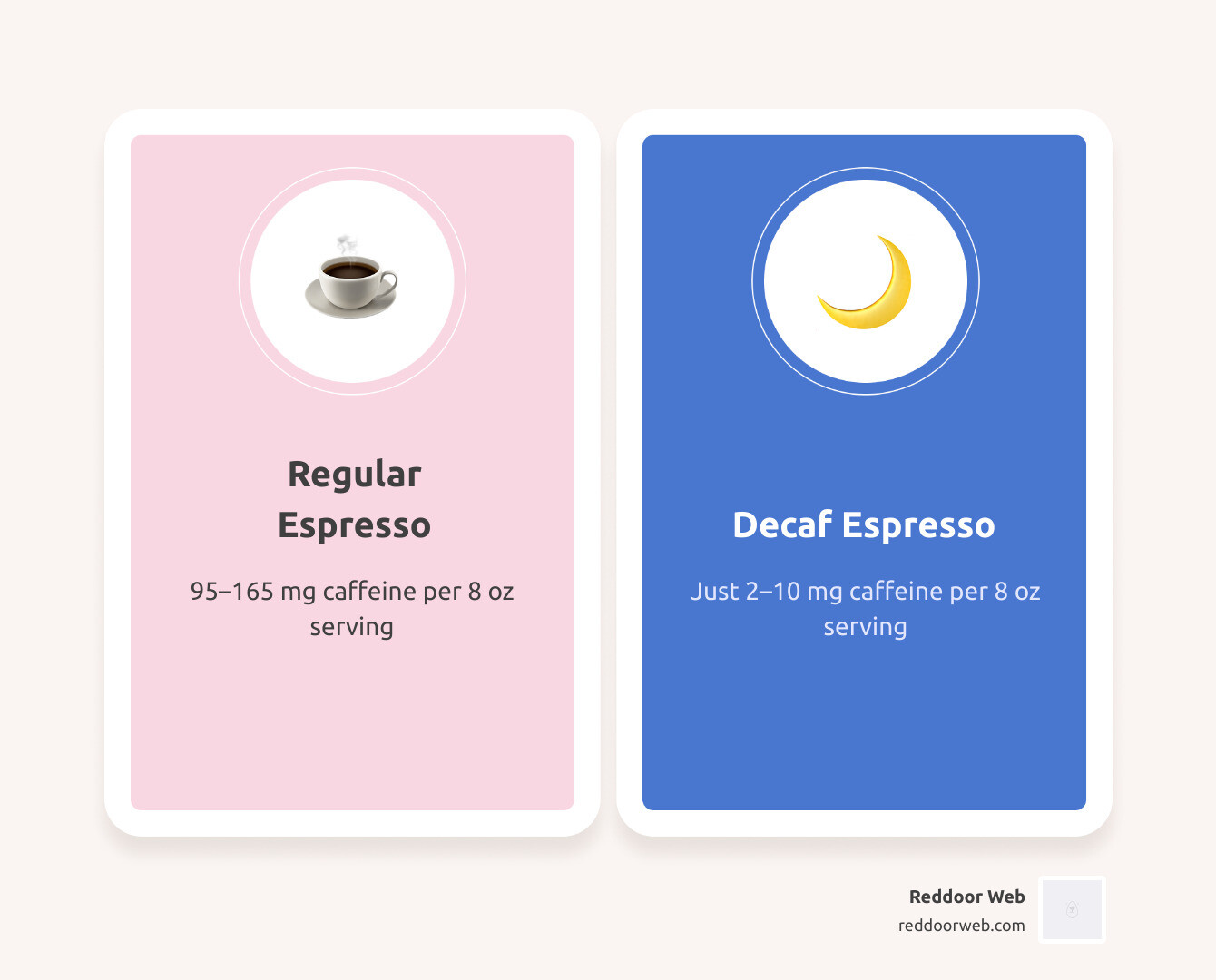
Regular coffee contains 95–165 mg of caffeine per 8 oz cup. Decaf brings that down to just 2–10 mg — a fraction that’s unlikely to disturb your sleep or spike your anxiety.
And the taste? Modern decaf, especially beans processed using the Swiss Water method, retains most of the rich flavor you love. You’re not giving up much.
This guide walks you through everything — from a basic stovetop recipe to iced and vegan variations — so you can make a barista-quality decaf latte at home without any fancy equipment.
What is a Decaf Latte and Why Choose It?
When we talk about a decaf latte, we are referring to the classic espresso-based drink made with decaffeinated beans. Traditionally, a latte consists of one or two shots of espresso topped with a generous amount of steamed milk and a thin layer of microfoam. By switching to decaf, you maintain that silky texture and roasted aroma without the central nervous system stimulation.
The Caffeine Reality Check
Many people believe decaf means “zero caffeine,” but that isn’t scientifically accurate. Research shows that decaf coffee typically contains between 2 mg and 10 mg of caffeine per 8 oz serving. To put that in perspective, a standard shot of regular espresso packs about 63 mg, and a cup of drip coffee can go as high as 165 mg. Choosing a decaf latte recipe simple enough for daily use allows you to enjoy the flavor while staying well below the threshold that typically disrupts sleep patterns.
Health and Lifestyle Benefits
In April 2026, more coffee enthusiasts than ever are turning to decaf for holistic health reasons. Beyond just better sleep hygiene, decaf offers several advantages:
- Anxiety Reduction: For those sensitive to stimulants, decaf prevents the “jitters” and heart palpitations often associated with caffeine.
- Pregnancy Safety: It is a popular choice for pregnant individuals looking to limit caffeine intake while still enjoying their morning or evening coffee ritual.
- Digestive Comfort: Decaf is often less acidic and gentler on the stomach for some drinkers.
- Antioxidant Properties: You still get the polyphenols and antioxidants found in regular coffee, which support cognitive health and reduce inflammation.
The Secret to Flavor: Swiss Water Process
If you’ve avoided decaf in the past because it tasted “thin” or chemical-like, we have good news. Modern processing, specifically the Swiss Water Process, removes 99.9% of caffeine using only water, temperature, and time—no harsh chemicals involved. This preserves the volatile oils and flavor compounds of high-quality Arabica beans, ensuring your latte tastes like real coffee, not a pale imitation.
Essential Ingredients for a Decaf Latte Recipe Simple and Quick
To make a truly great latte at home, you don’t need a pantry full of specialty items. You just need a few high-quality basics.
1. The Coffee Base
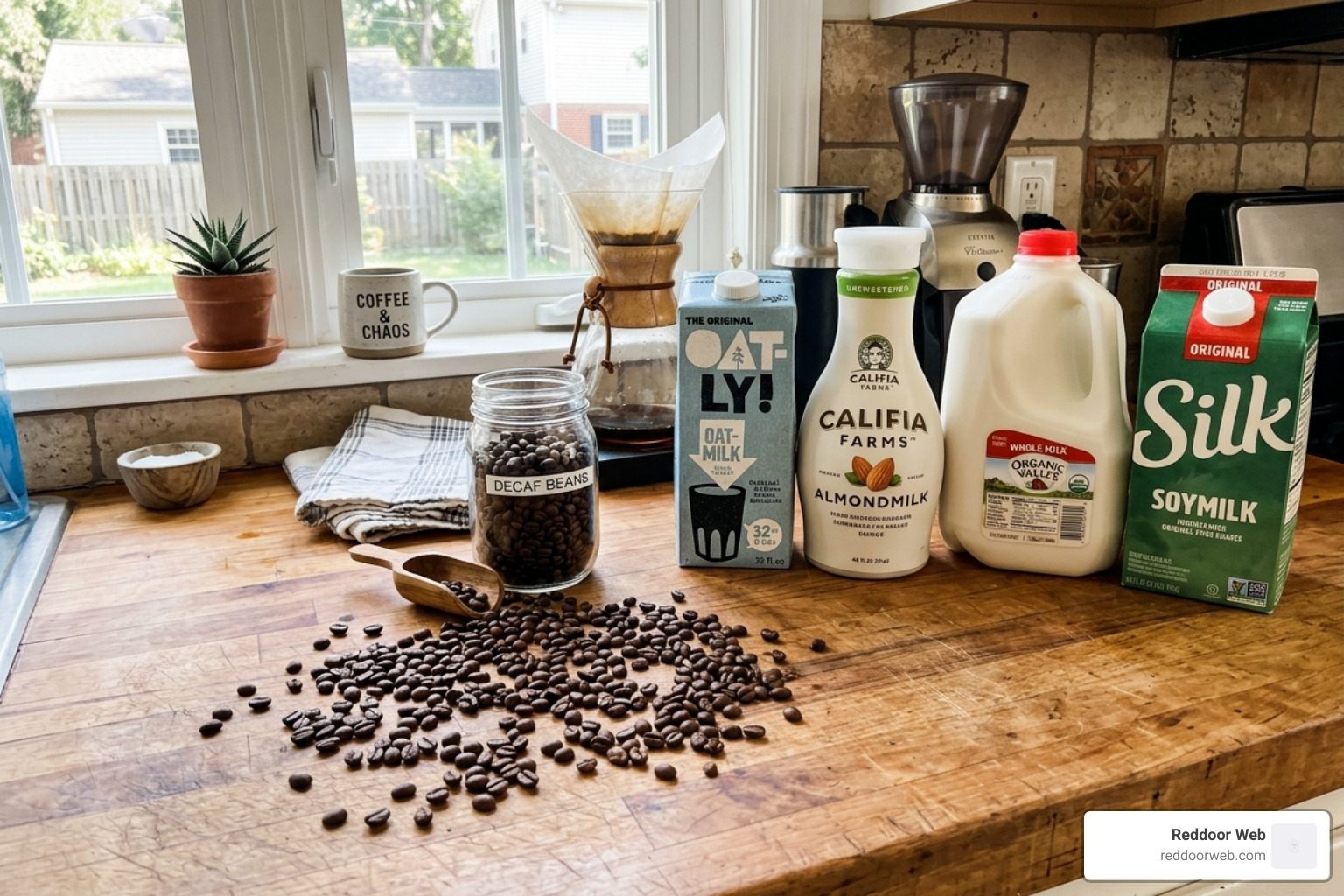
For the best results, use a medium to dark roast decaf coffee. Darker roasts have bolder, chocolatey, or nutty notes that “cut through” the milk, ensuring the coffee flavor isn’t lost.
- Decaf Espresso Beans: Ideal if you have an espresso machine or Moka pot.
- Strong Brewed Decaf: If you don’t have an espresso maker, a very concentrated French press or Aeropress brew works perfectly.
2. The Milk Choice
The milk is the “star of the show” in any latte. In 2026, the variety of “Barista Edition” milks has made home brewing much easier.
- Dairy Milk: Whole milk provides the creamiest texture and best foam. Low-fat or skim milk actually froths more easily due to higher protein content, but it lacks the richness of whole milk.
- Oat Milk: Our top recommendation for dairy-free lovers. It has a natural, subtle sweetness and a creamy mouthfeel that mimics dairy better than almost any other plant milk.
- Almond Milk: Great for a lower-calorie option (around 55 calories per serving), though it can be thinner and harder to froth unless you use a “Barista Blend.”
3. Natural Sweeteners and Aromatics
A decaf latte recipe simple enough for a bedtime routine often benefits from a little extra comfort:
- Vanilla Extract: A half-teaspoon adds an aromatic sweetness without extra sugar.
- Natural Syrups: Caramel, maple syrup, or date syrup provide a smoother texture than granulated sugar.
- Spices: A pinch of cinnamon or nutmeg on top can transform the drink into a seasonal treat.
How to Make a Simple Decaf Latte at Home Step-by-Step
You don’t need a $1,000 machine to get that velvety coffee shop texture. Here is our favorite reliable method using standard kitchen tools.
Step 1: Brew Your Decaf Base
Brew a double shot (about 2 oz) of decaf espresso. If you are using a standard coffee maker or French press, use double the amount of grounds you usually would with half the water to create a “concentrate.” We recommend using water heated to about 80°C to avoid scalding the grounds, which can cause bitterness.
Step 2: Heat the Milk
Pour about 8 oz (1 cup) of your chosen milk into a small saucepan. Heat it over medium-low heat. You are looking for a temperature of 65–70°C (150°F).
- Expert Tip: If you don’t have a thermometer, look for small bubbles forming around the edges and steam rising. Do not let it reach a rolling boil, as this “kills” the natural sweetness of the milk and ruins the texture.
Step 3: Froth to Perfection
Once hot, remove the milk from the heat and froth it until it doubles in volume. (See our section below on “Expert Tips” for how to do this without a machine).
Step 4: Assemble and Pour
Pour your brewed decaf into a preheated mug. If you are using sweeteners like honey or caramel syrup, stir them into the hot coffee now so they dissolve completely. Hold back the thick foam with a spoon and pour the liquid steamed milk into the coffee. Finally, spoon the remaining foam on top.
| Method | Texture | Effort Level |
|---|---|---|
| Handheld Frother | Professional Microfoam | Low |
| French Press | Thick & Creamy | Medium |
| Mason Jar Shake | Large Bubbles | High |
| Whisk in Pan | Airy & Light | Medium |
Step 5: Nutrition and Control
By making this at home, you are in total control. A homemade decaf latte with unsweetened almond milk contains approximately 55 calories, 5g carbohydrates, and only 2g of sugar. Compare that to a 12oz coffee shop mocha which can contain up to 28g of sugar!
Using Instant Coffee for a Decaf Latte Recipe Simple Method
If you are in a rush or want to save energy, you can use instant decaf granules.
- Mix 2 teaspoons of high-quality decaf instant coffee with 2 tablespoons of very hot water.
- Stir until a smooth paste forms.
- Add your heated, frothed milk directly to this mixture. This method takes less than 5 minutes and is incredibly budget-friendly while still delivering a surprisingly creamy result.
Customizing Your Decaf Latte Recipe Simple Variations
- The Decaf Mocha: Whisk 1 tablespoon of cocoa powder or a healthy hot cocoa mix into your milk while heating. This creates a “gentle hug in a cup” that is perfect for chocolate lovers.
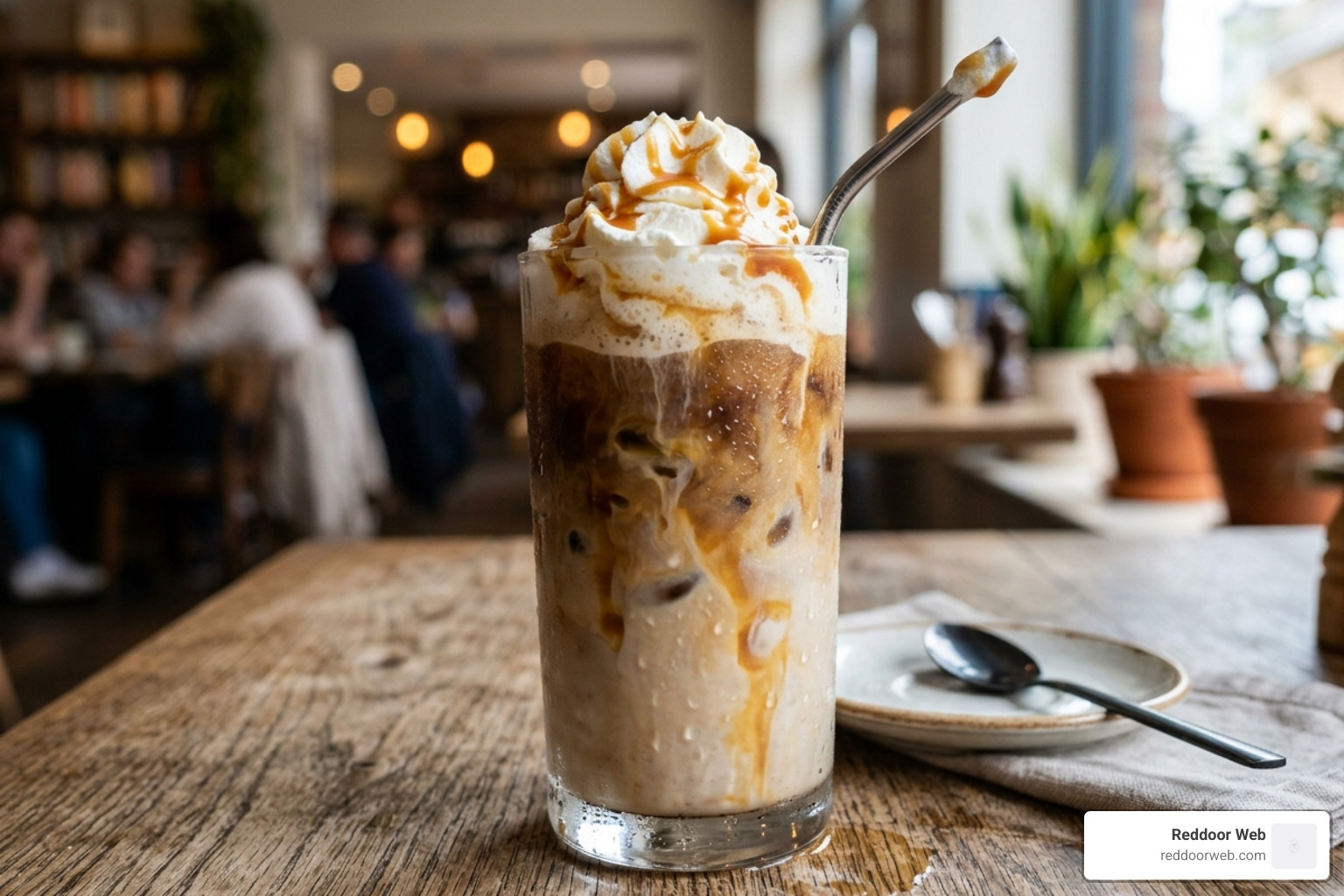
- Iced Decaf Latte: Brew your decaf concentrate and let it cool (or pour it over a small amount of ice to flash-chill). Fill a tall glass with fresh ice, add cold milk, and pour the coffee over the top.
- The Vegan Decaf Chai Latte: Use decaf chai tea bags steeped in oat milk for 10 minutes, then froth. It’s spicy, warming, and entirely caffeine-free.
Expert Tips for Barista-Quality Foam Without Fancy Tools
We believe everyone deserves great foam. If you don’t own a steam wand, try these “Reddoor Web” hacks:
- The French Press Method: This is actually our favorite hack. Pour your heated milk into a French press and pump the plunger up and down rapidly for 20–30 seconds. This creates incredibly dense, professional-grade microfoam.
- The Mason Jar Shake: Pour warm milk into a jar (fill it only halfway), seal the lid tightly, and shake vigorously for 30–60 seconds. Microwave the jar for 30 seconds afterward to “set” the foam.
- Preheat Your Mug: A cold mug will suck the heat out of your latte instantly. Rinse your mug with boiling water before you start brewing to keep your drink warm for the entire ritual.
- Watch the Protein: If you are struggling to get foam with plant milks, check the label. Protein is what holds the bubbles together. Oat and soy generally froth better than coconut or cashew because of their higher protein content.
Frequently Asked Questions about Decaf Lattes
How much caffeine is actually in a decaf latte?
While it varies by brand, a standard 8 oz decaf latte contains roughly 2–10 mg of caffeine. For comparison, a regular latte has about 63–126 mg. Most people find that the trace amount in decaf does not interfere with sleep.
Can I make a decaf latte without an espresso machine?
Absolutely. You can use a Moka pot (which produces a very strong, espresso-like concentrate), an Aeropress, or even just a very strong French press brew. The key is using a high coffee-to-water ratio so the flavor isn’t diluted by the milk.
Which plant-based milk froths the best for decaf drinks?
Oat milk is the gold medalist of the plant-milk world for lattes. It froths beautifully and has a creamy texture. If you prefer almond or soy, look for “Barista Edition” on the carton, as these contain added stabilizers that help the milk hold its foam under heat.
Conclusion
At Reddoor Web, we believe that the joy of coffee shouldn’t be limited by the clock. Mastering a decaf latte recipe simple enough to whip up while you’re winding down for the night is a game-changer for your evening routine. Whether you choose the rich depth of a Moka pot brew or the 1-minute simplicity of instant decaf, you’re treating yourself to a moment of calm.
By controlling your own ingredients, you can cut out the excess sugars found in cafe drinks and tailor the milk and sweetness to your exact health goals. For more coffee brewing hacks, gear reviews, and expert guides to elevate your home barista game, explore our latest resources.
More info about coffee brewing hacks
This April 2026 guide was designed to help you enjoy the ritual of coffee, anytime, jitter-free.
